(1)-Cover.jpg?width=300&name=0310%20(1)(1)-Cover.jpg)
Enabling Network Modernization at Scale
At this year's Mobile World Congress, Titan.ium showcased how operators can modernize their networks while continuing to support the scale, reliability, and performance that global communications demand.
Across the event, conversations with operators focused on a common challenge: how to evolve signaling infrastructure and core network services while introducing new 5G capabilities and cloud-native architectures. The reality many operators face today is that modernization must happen gradually, without disrupting existing services or compromising operational stability.
The Reality of Network Transformation
According to Titan.ium’s CTO, Patrik Rokyta, the path to modernization is rarely a complete replacement of existing systems. Instead, operators are pursuing hybrid strategies that allow them to introduce new technologies while maintaining compatibility with established networks, such as 2G.
“Operators are under pressure to innovate and support new services, but they cannot afford downtime or risk to the reliability their customers expect,” he explained during discussions at the event. “Modernization must be evolutionary rather than disruptive.”
This perspective shaped the technologies Titan.ium demonstrated at the show, solutions designed to integrate seamlessly into existing environments while enabling operators on future network architectures.
Demonstrating Advanced Signaling and Core Capabilities
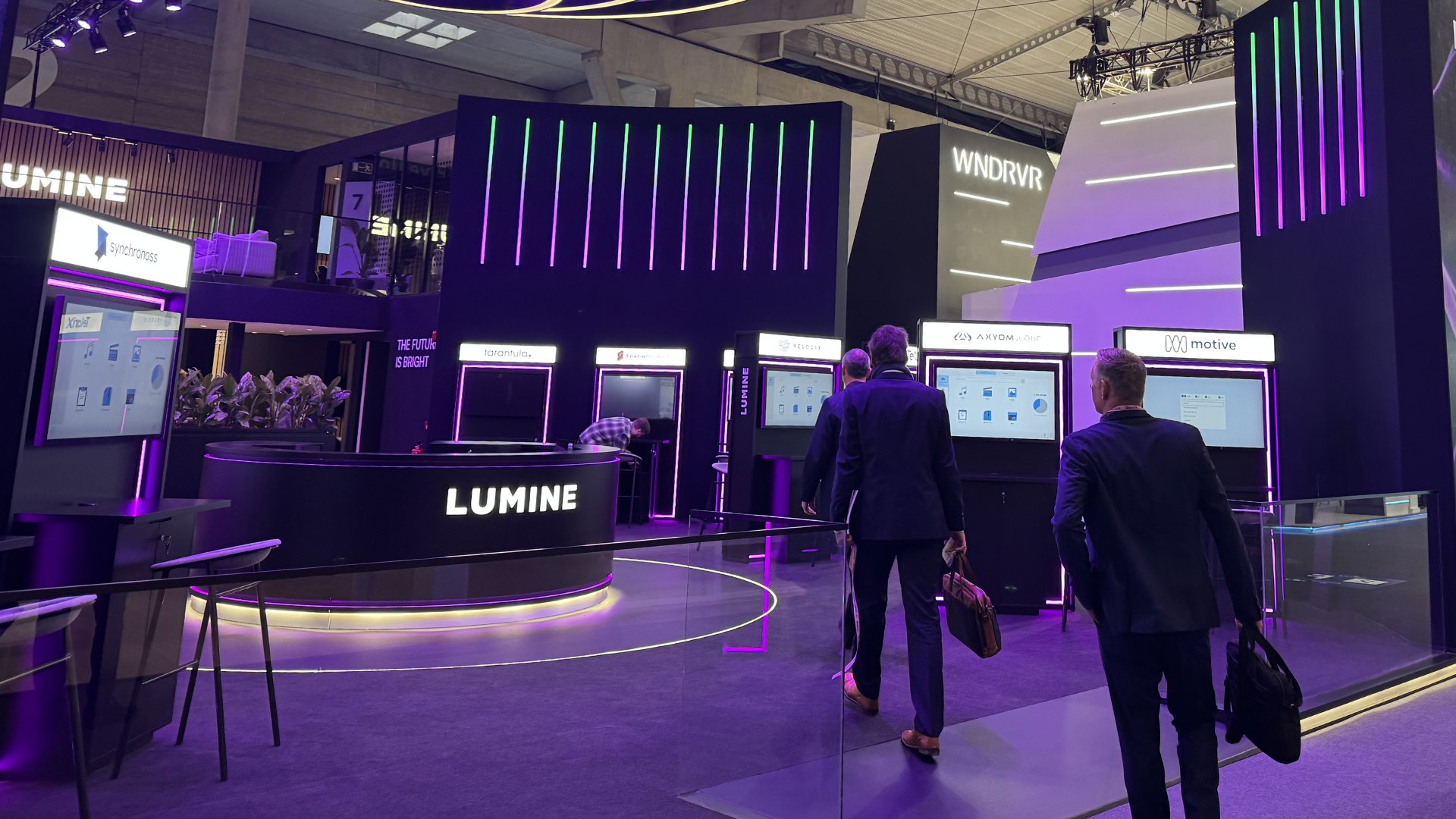
At the booth, Titan.ium presented a broad portfolio of solutions that help operators manage increasing signaling traffic, support evolving network standards, and maintain high levels of service reliability.
Key technologies demonstrated included:
- Cloud-native signaling platforms designed for scalability and high availability
- 5G Core network capabilities enabling next-generation services
- Multi-protocol Number Portability solutions supporting regulatory compliance and efficient routing
- AI-assisted analytics and operational tools for improved network visibility and performance
Cloud-Native Without Compromising Reliability
One of the major themes across MWC was the industry’s continued shift toward cloud-native deployments. While cloud technologies bring flexibility and scalability, telecom networks require reliability levels that traditional IT environments do not always demand.
Titan.ium’s approach focuses on delivering cloud-native, Titan.ium platform, ensuring operators can deploy new capabilities while maintaining the resilience their networks require.
“Telecom networks are critical infrastructure,” Patrik noted. “Moving to cloud-native must enhance performance and agility without sacrificing the robustness operators depend on.”
Supporting Operators on Their Own Timeline
A recurring theme throughout discussions at MWC was the importance of flexibility. Operators around the world are at different stages of their transformation journeys, and their strategies vary depending on market conditions, regulatory environments, and existing infrastructure.
Titan platform, is designed to support this diversity, enabling operators to modernize at their own pace while maintaining interoperability across technologies and network generations.
By combining deep signaling expertise with modern cloud-native design principles, Titan.ium aims to give operators a practical path forward—one that balances innovation with operational stability.
Looking Ahead
The conversations at Mobile World Congress 2026 reinforced a clear message: modernization is not just about adopting new technologies, but about doing so in a way that respects the complexity and reliability requirements of global telecom networks.
As operators continue to expand 5G capabilities and prepare for future services, solutions that bridge legacy and next-generation architectures will remain essential.
For Titan.ium, the focus remains the same: helping operators evolve their networks confidently, efficiently, and on their own terms.
Have questions about how to evolve your network confidently, efficiently, and on your own terms?